From the Vault: “Definitive Erotica” and the Early Days of Suspect Photography
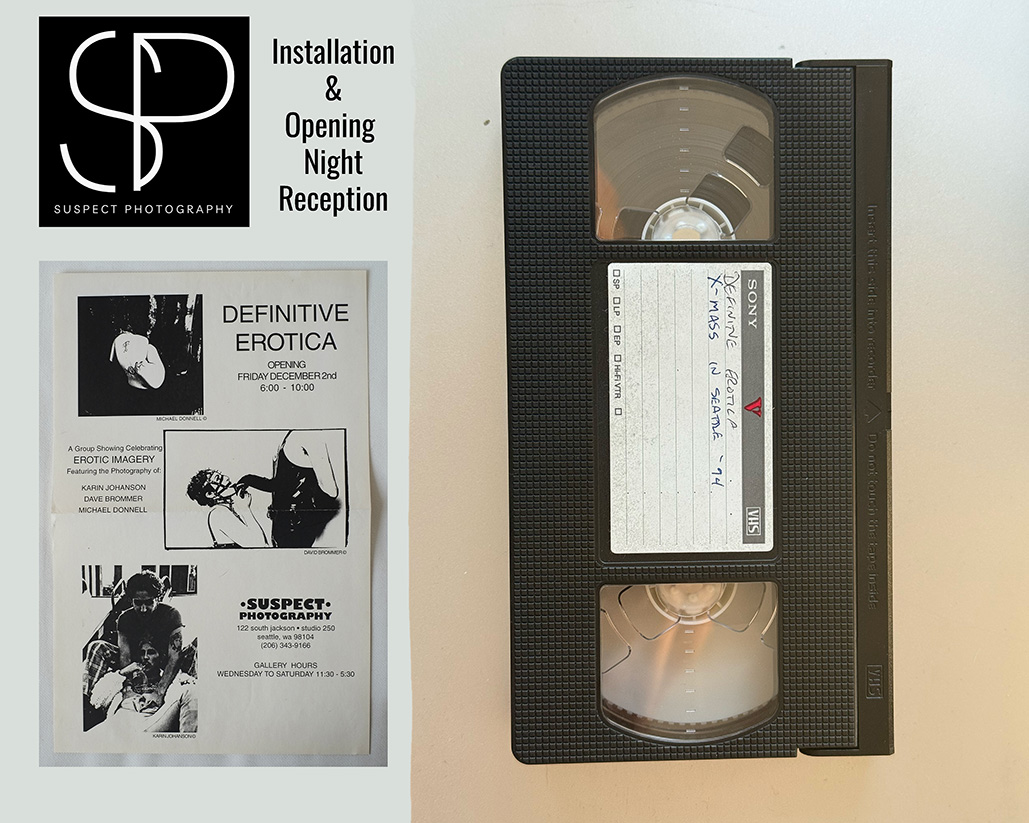
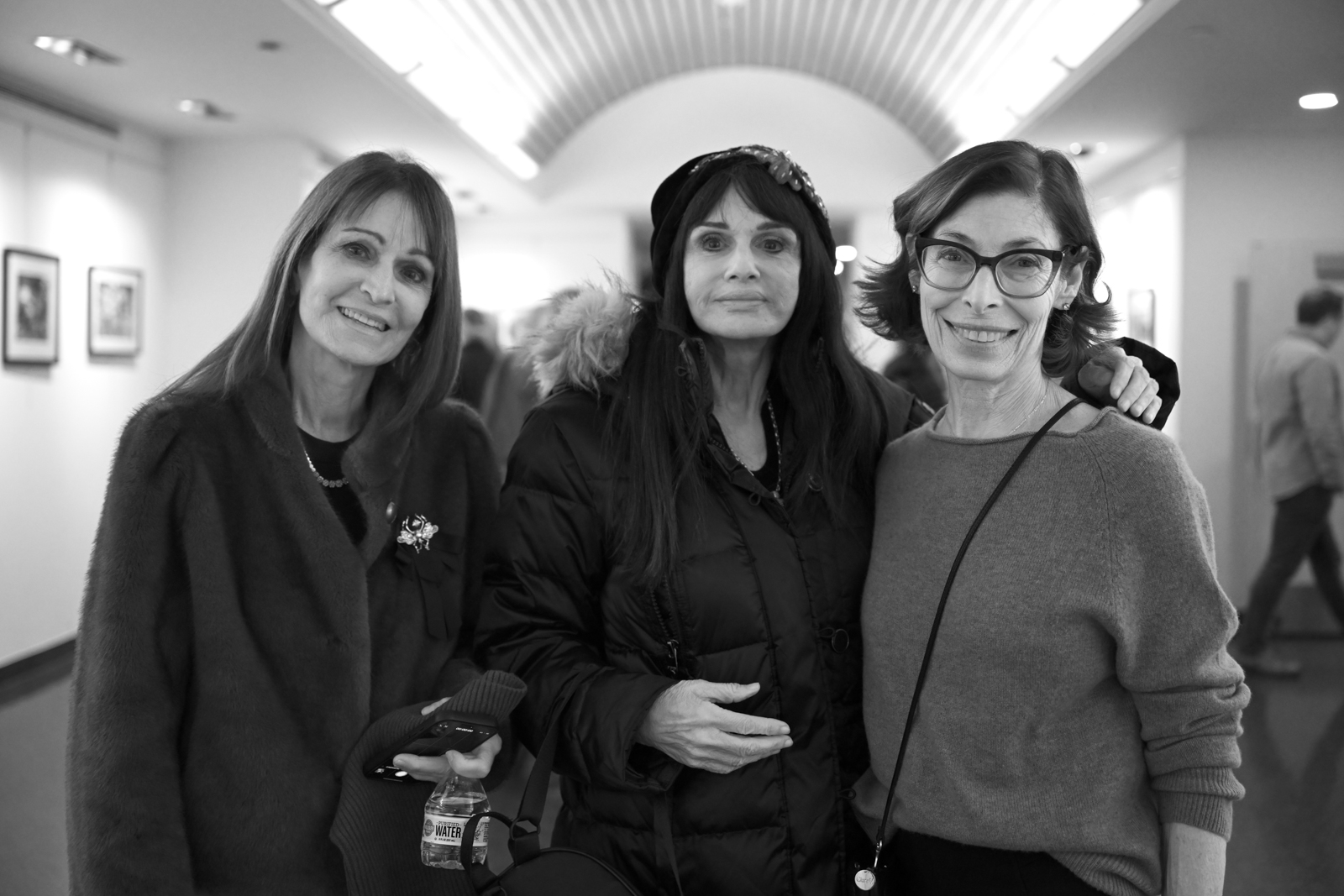
Looking at this video for the first time in 32 years—more than half my life ago—is an incredibly emotional experience. It unlocks so many memories, and as the faces walk into Suspect Photography, little details present themselves that I haven’t thought about in decades. I showed it to Juliette, and her immediate reply was, “We were babies!” This video was captured with a common compact Panasonic VHS camcorder I had on loan at the time, and because it was shot long before the age of smartphones, you can see how people really engaged with the art and each other without a screen in sight. The tape was recently transferred by Legacybox and has been lightly edited and titled.
The early days of Suspect Photography were filled with experimentation and a drive to get closer to both the medium and the photographers themselves. My gallery partner at the time was Susan Cicotte, a photographer from Port Angeles whose work centered on her daughter, Molly. Susan was a feminist who had an uneasy relationship with my early explorations into fetish photography. She flatly declared the work was “porn,” while I took artistic umbrage, and we would spend hours debating the distinction. That friction is where I came up with the name for the exhibition: Definitive Erotica. I wanted to showcase a curated range of work by contemporary photographers so that the viewer could understand the breadth of the genre and effectively build their own definition. We aimed to define and present evidence in a conclusive manner that would elevate the theme of eros.
The two living photographers chosen to exhibit were as diverse as their gender. I met both of them while they visited the gallery to share their portfolios. Karen Johanson, who went by Karin back then, was a local photographer with a disarming smile that granted her access to a wide panoply of young, hip Seattleites. I eventually came to understand that female photographers often have a level of access that male photographers have to work much harder to achieve. The resulting work Karen produced was honest and non-threatening, moving from studio setups to living rooms in equal measure. Regardless of the camera she used, she made her work with love. She is still producing work today, and you can find her at her website, karenjohanson.com.
Karen was a stark contrast to Michael Donnell. Michael was an educated African American artist who had served as a field medic in Vietnam. He was a complex, easily misunderstood man whom I embraced wholeheartedly. Under a tough exterior—complete with a dent in his head from a hit in ‘Nam (which sent him home)—he had a heart of pure gold and was always the first person to throw himself into a situation to help someone. His work was extremely well-crafted; he handled the entire process himself, developing and printing meticulous studio setups with mythological themes. His work was very “alt 90s” and reflected the aesthetic of fetish, shock, and hetero-explorative desire, heavily influenced by Joel-Peter Witkin. When considering his work, you have to remember that his youth was spent in the hell of war. The stories he told me while we drank scotch from his collection were brutish, and the fact that he could contain that darkness to produce the art he made was a testament to his strength. I used to call him the finest stallion in the Suspect Photography gallery stable, and I’m planning to call that old GOAT soon to catch up.
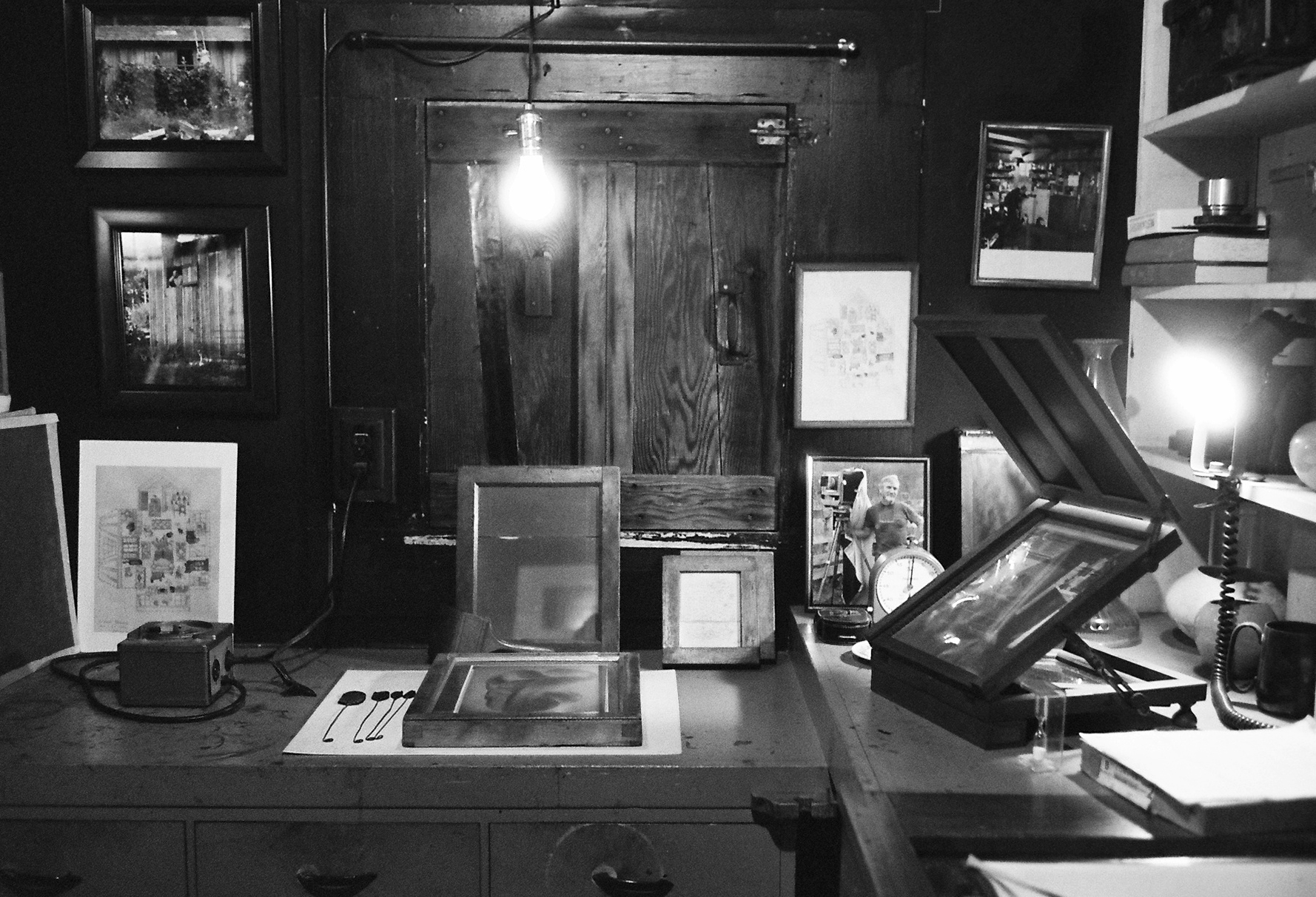
We also included work from an unknown photographer of the 1920s and 30s, printed from a collection of wet plates that English photographer Mark Palmer had acquired. Mark and I spent many nights in the Suspect Photography darkroom contact-printing a selection of those plates. Nothing written survived to give us clues about who this photographer was, but the work was vital to the narrative of the exhibition because it provided a historical anchor from sixty years prior. The resulting video has three chapters: the Installation, the Opening, and a catalog of the work. I should give a fair warning that the catalog of work may be considered NSFW, or however you wish to define it. I hope you enjoy this look back at a very specific moment in our history.
~David Brommer



































 Suspect Photography